Introduction
Transforming your home with a fresh coat of paint can be both exciting and daunting, especially for beginners. In Herriman, Utah, where the local climate and unique architectural styles offer specific challenges, knowing the right techniques and tips is essential. This guide will walk you through beginner-friendly painting strategies, ensuring your DIY project is a success in 2026.
Understanding Herriman's Climate Impact
Before diving into painting, it's crucial to consider Herriman's climate. With hot summers and cold winters, choosing the right type of paint and preparation method is key. Opt for paints that can withstand temperature fluctuations, such as acrylic latex paints, which are known for their durability and flexibility.
Choosing the Right Paint
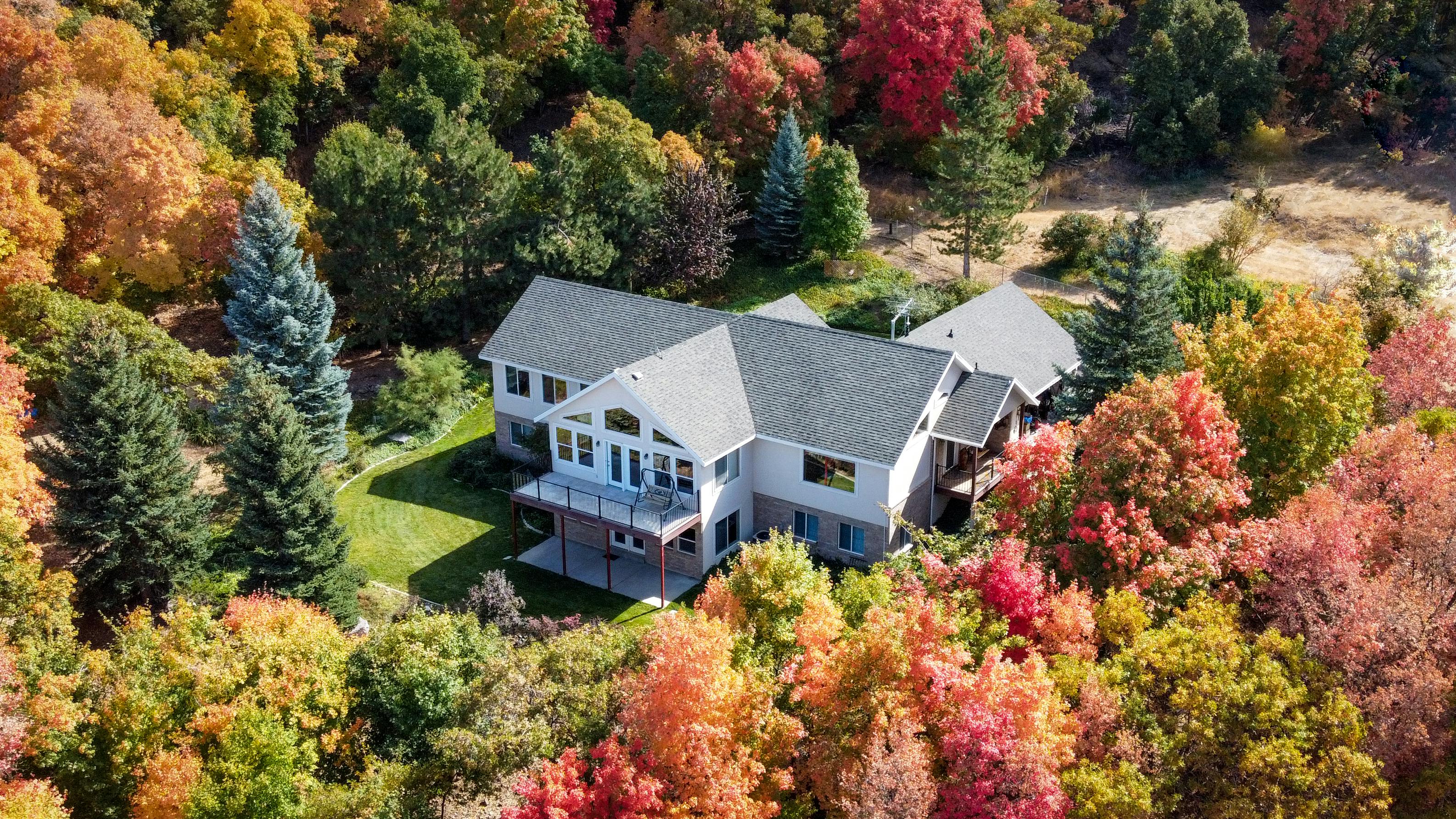
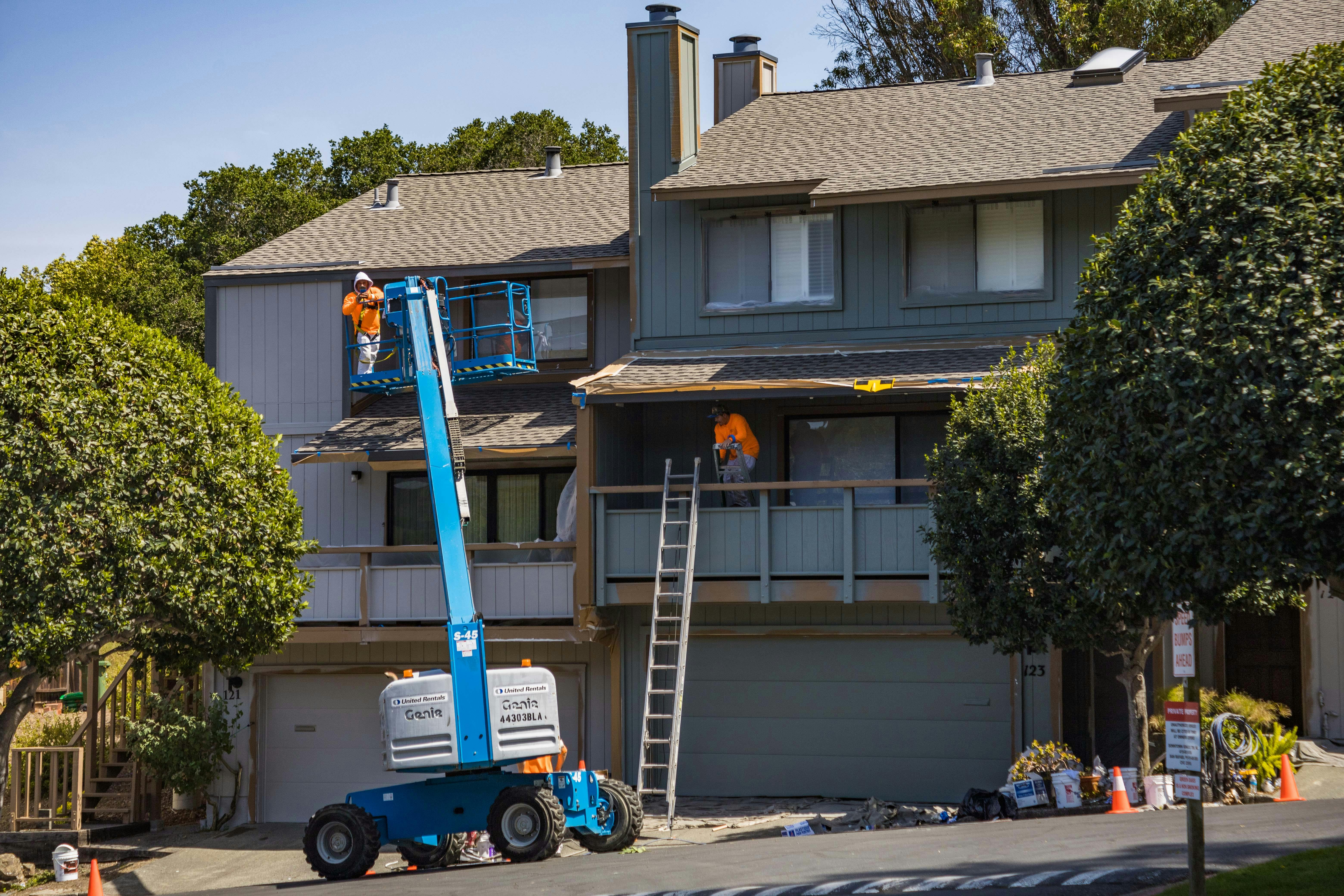
For interior walls, consider using paints with low or zero VOCs (Volatile Organic Compounds) to ensure a healthier indoor environment. For exteriors, look for paints with UV-resistant properties to protect against sun damage.
Essential Tools for Beginner Painters
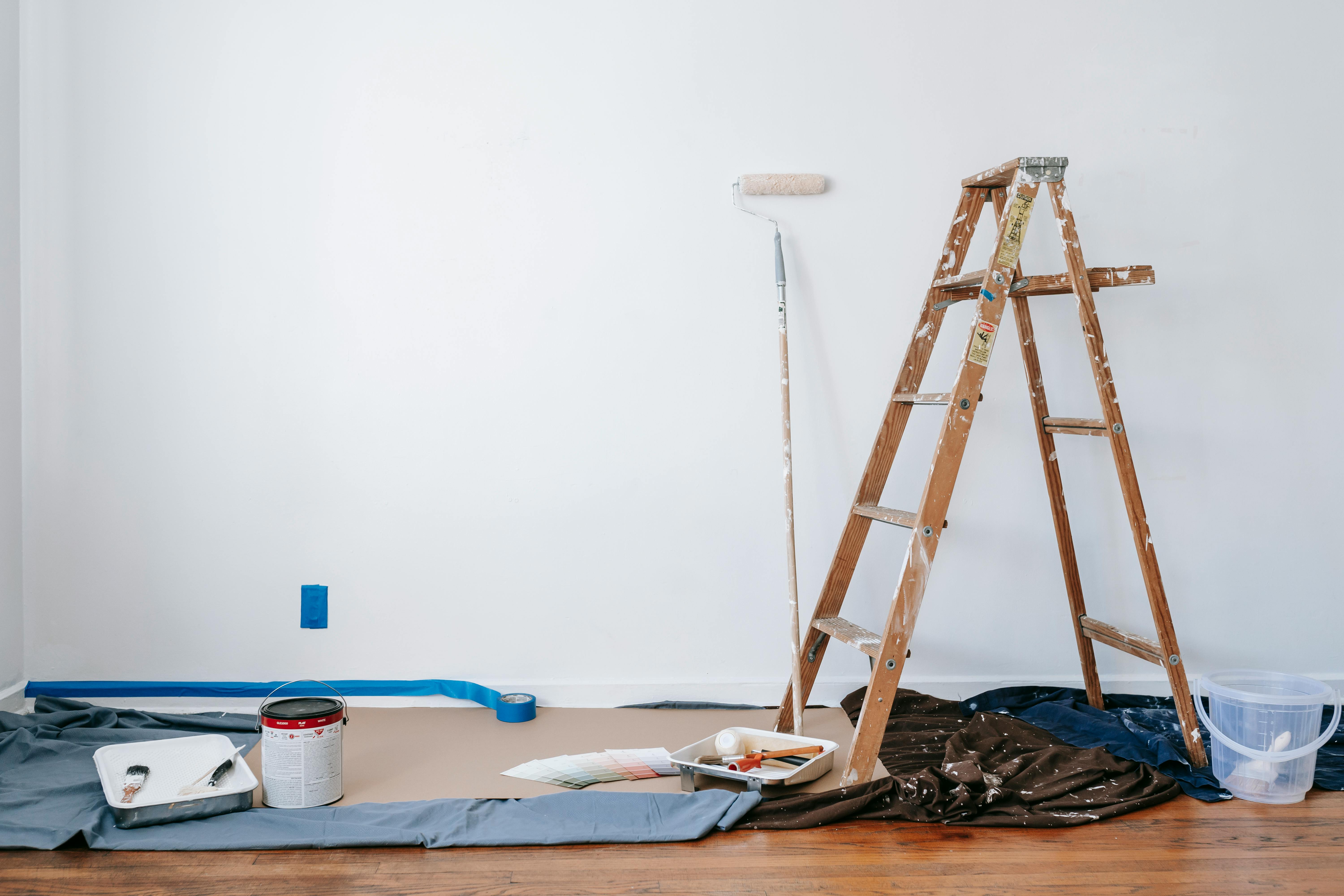
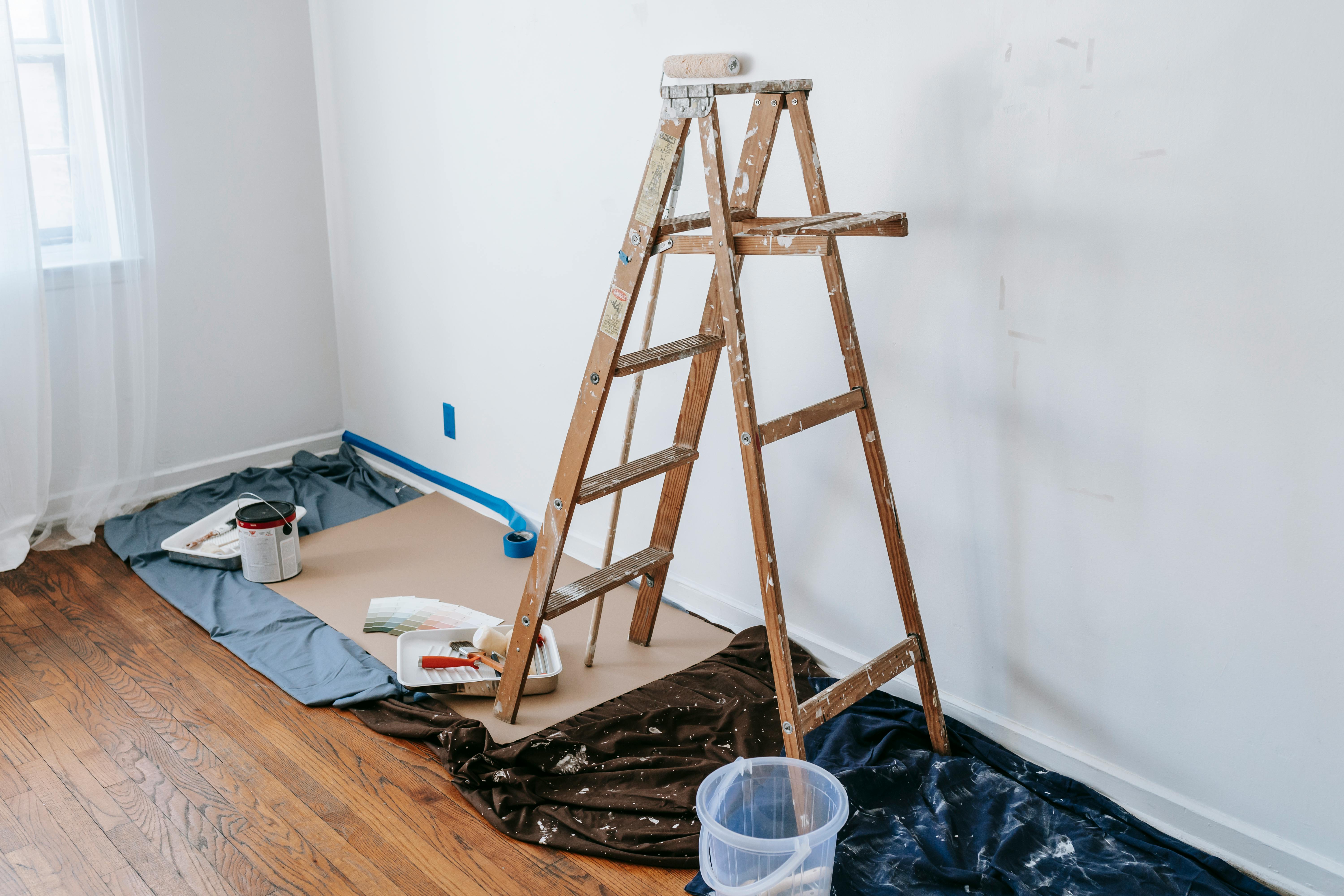
Having the right tools can make your painting project smoother and more enjoyable. Here's a list of must-have tools for beginners:
- Paint Rollers: Ideal for covering large areas quickly.
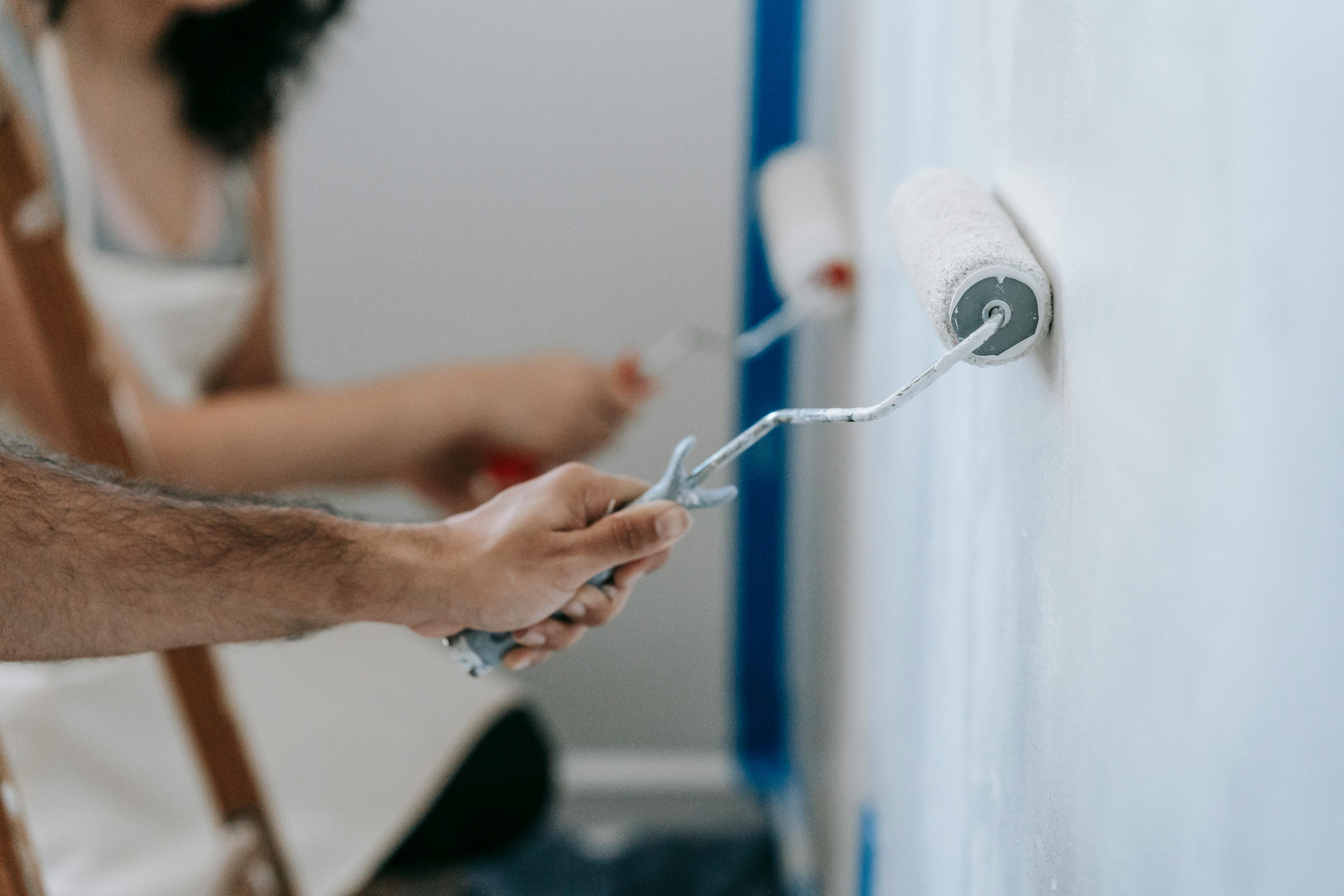
- Angled Brushes: Perfect for cutting in around edges and corners.
- Painter's Tape: Essential for protecting trims and creating clean lines.
- Drop Cloths: Protect your floors and furniture from paint splatters.
- Paint Trays: Handy for loading your roller with paint.
Step-by-Step Painting Process
1. Prepare Your Space
Start by clearing the room of furniture or covering items with drop cloths. Clean the walls to remove dust and grease, as these can affect the paint's adhesion. Fill any holes or cracks with spackle and sand them smooth.
2. Apply Painter's Tape
Use painter's tape to cover trims, edges, and any areas you don't want painted. Ensure the tape is pressed down firmly to prevent paint bleed.
3. Prime the Walls
Priming is crucial, especially if you're painting over a dark color or on new drywall. A good primer will ensure better paint adhesion and a more vibrant finish.
4. Start Painting
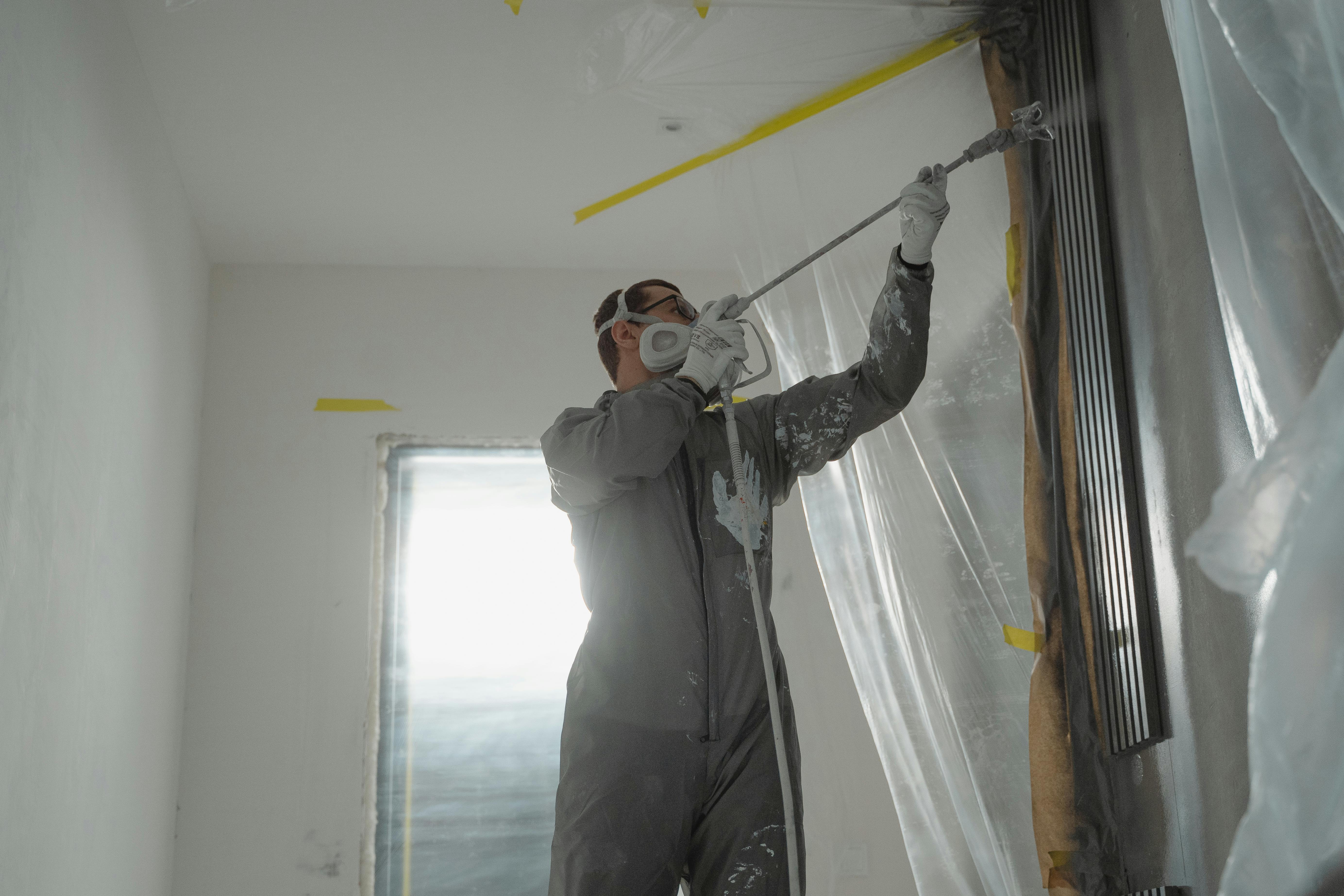
Begin with the ceiling, if applicable, using a roller. Work your way down to the walls, starting with cutting in edges using an angled brush, then fill in the rest with a roller. Apply paint in a 'W' pattern for even coverage.
5. Apply a Second Coat
After the first coat has dried, inspect the walls for any missed spots. Apply a second coat if necessary, allowing it to dry completely.
Common Mistakes to Avoid
Many beginners face similar challenges when painting their homes. Here are some common mistakes to avoid:
- Skipping Surface Prep: Always clean and prime surfaces before painting.
- Overloading the Brush: Dip the brush only a third of the way into the paint to avoid drips.
- Neglecting Drying Times: Allow each coat to dry fully before applying the next.
Conclusion
Painting your home can be a rewarding DIY project, especially with the right preparation and tools. By following these beginner-friendly tips, Herriman homeowners can achieve professional-looking results in 2026. Remember, if you ever feel overwhelmed, you can always reach out to professional services like Above The Rest Painting Inc. for expert assistance.
For more tips and advice on painting projects, explore our other blogs or contact us directly for personalized guidance.